Subterranean Vinyl and Amber Elixirs: Downtown LA's Hidden After-Work Sound Dens begins with a simple question: what would it feel like to let this part of Los Angeles set the pace? An intimate evening itinerary for slow listening, rare highballs, and historic brick rooms after the closing bell. Downtown Los Angeles, CA is not presented as a perfect escape, but as a real landscape with texture, history, weather, and a character that becomes clearer when you stop trying to see everything at once.
Give yourself an unhurried first hour. Put the phone away, make the first decision based on comfort, and resist the instinct to fill every silence. The city rewards this kind of attention. A side street can be more revealing than a landmark, and a familiar view can feel new when the light changes and there is no deadline attached to it.
For this particular route, let the defining mood of after work guide the day. Choose one anchor experience, one good meal or pause, and one open-ended stretch with no destination. That balance creates a generous shape: enough structure to feel held, enough freedom to remain present.
Downtown Los Angeles after six in the evening has a different gravity than it does at noon. The finance workers leave, the loft lights flicker on, and the historic core reveals its second identity: a neighborhood of small listening rooms, cocktail bars built into former banks, and record stores that stay open for people who measure their day in albums rather than meetings. The brick walls here are not decorative. They are the actual walls of buildings that survived the twentieth century, and they absorb sound in a way that newer construction cannot replicate.
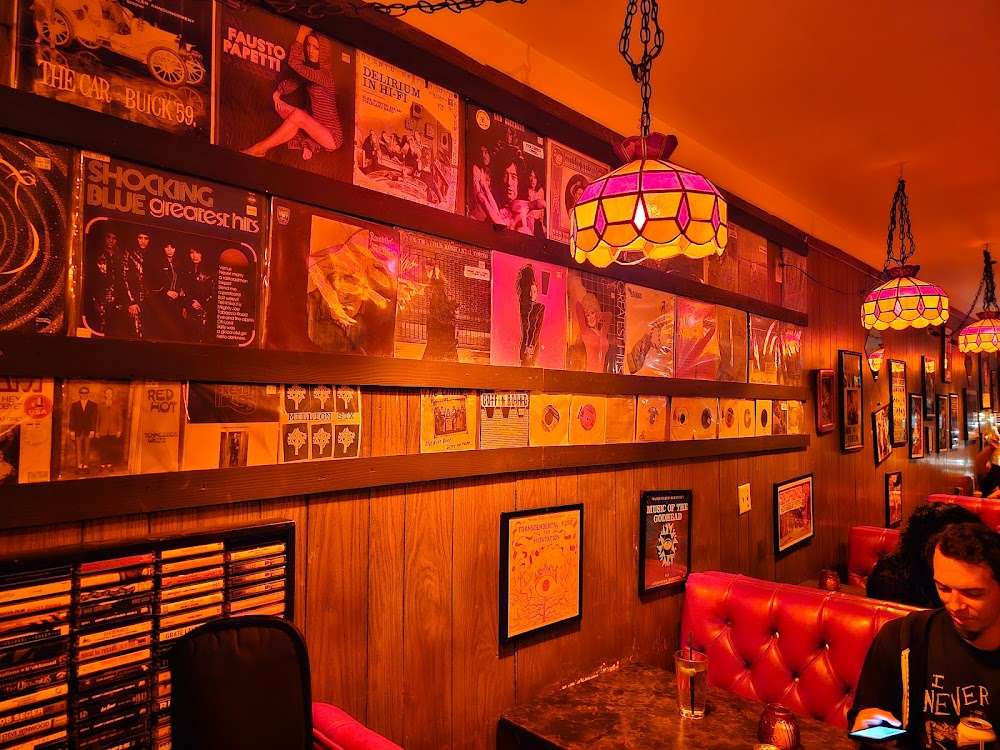
Begin at a vinyl bar on Seventh Street, where the bartender treats the turntable with the same care as the ice. The records are not background music. They are the point. A host selects the next side with deliberation, announces nothing, and lets the room adjust its own volume to match the record. The cocktail list leans toward amber spirits, stirred rather than shaken, served in heavy glass that stays cold to the last sip. Order a highball made with Japanese whisky and a single large cube, and let the first track settle before you reach for your phone. You will not reach for it.
Move one block east to a basement room where the ceiling is low and the light is the color of weak tea. The space holds fewer than thirty people, and the sound system is tuned for warmth rather than volume. On a good night, the resident DJ plays a set that moves from spiritual jazz to ambient soul, and the crowd stops talking somewhere around the third track. This is the rare Los Angeles room where silence between songs is respected, and the only screen in the room is the one behind the bar showing the album cover.
End the evening at a narrow bar on Spring Street that has been making drinks since before craft cocktails were a category. The bar staff here are career bartenders, not hospitality influencers, and they will make you a forgotten classic if you describe what you are in the mood for rather than ordering from a menu. Sit at the bar rather than a table. Watch the hands. Notice the way the room gets quieter as it gets later, until the only sounds are ice, glass, and the low conversation of two people who have nowhere else to be.
Begin with a modest plan rather than a crowded schedule. Leave a little space around the central experience, because the unplanned details are often what make a place feel personal. Bring water, a light layer, and the patience to let the setting reveal itself slowly.
The practical rhythm matters. Arrive before the busiest hour, confirm opening times directly with the venue, and treat the itinerary as a framework instead of a promise. Los Angeles changes quickly with traffic, weather, seasonal closures, and neighborhood events, so a calm plan always includes room for a graceful pivot.
There is also an ethical pleasure in moving lightly. Choose small local businesses when possible, keep noise low in residential areas, respect natural boundaries, and leave outdoor places better than you found them. A restorative experience should not transfer its stress to the people or landscapes that make it possible.
For a more memorable visit, notice one sensory detail in each chapter: the first temperature change, the sound behind the dominant sound, the quality of the light, and the final taste of the day. These anchors turn a simple outing into a story you can return to later, especially when the next busy week begins.
The deeper lesson is not that every evening needs a destination. It is that attention is a destination in itself. A slow meal, a quiet trail, or ten minutes beside water can interrupt the automatic pace of modern life. The value comes from choosing to be there fully, without asking the moment to become content before it has become experience.
Before heading home, give yourself a gentle closing ritual. Write down one thing you noticed, take the long way for a few minutes, or simply sit until the first impulse to check a screen passes. Small endings help the nervous system understand that the day has changed shape, and they make rest feel like something you actively entered rather than something that happened after exhaustion.
This is the kind of local intelligence Florvex gathers: not a checklist of attractions, but a collection of ways to inhabit the region with more softness. The city is still busy, expensive, and imperfect. Yet within its scale are quiet rooms, generous landscapes, and thoughtful people who make a more humane weekend possible.
Use this guide as a starting point and verify details before you go. Conditions, access, reservations, and trail rules can change. The most beautiful version of the plan is the one that leaves you feeling cared for, curious, and connected to the place rather than hurried through it.