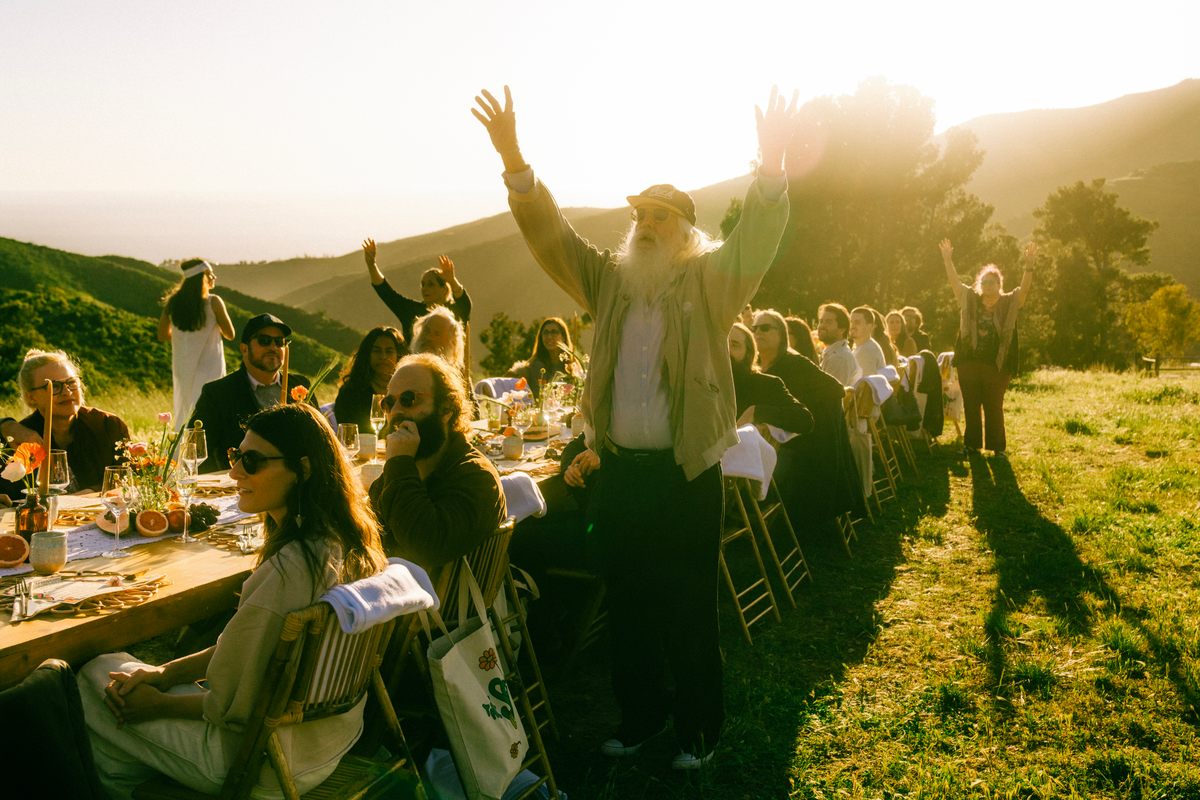
Architectural Dining and Courtyard Gastronomy in Culver City begins with a simple question: what would it feel like to let this part of Los Angeles set the pace? A gentle evening of natural wine, garden tables, and inventive California cooking in historic spaces. Culver City, Los Angeles, CA is not presented as a perfect escape, but as a real landscape with texture, history, weather, and a character that becomes clearer when you stop trying to see everything at once.
Give yourself an unhurried first hour. Put the phone away, make the first decision based on comfort, and resist the instinct to fill every silence. The city rewards this kind of attention. A side street can be more revealing than a landmark, and a familiar view can feel new when the light changes and there is no deadline attached to it.
For this particular route, let the defining mood of food & nightlife guide the day. Choose one anchor experience, one good meal or pause, and one open-ended stretch with no destination. That balance creates a generous shape: enough structure to feel held, enough freedom to remain present.
Culver City has become the restaurant neighborhood of the Westside, and the reason is not trend. It is architecture. The downtown blocks here are historic, low-scale, and organized around courtyards that were built for the film studios that used to operate here. The buildings have been converted to restaurants, but the bones remain: high ceilings, industrial windows, and the kind of masonry that makes a room feel permanent. A good dinner here is not just about the food. It is about the room the food is served in, and the way the room encourages a slower pace.
Begin at the restaurant on the corner of Culver and Cardiff, which has a courtyard table set under a mature fig tree. The menu is California seasonal, which means it changes monthly and is built around what the farmers markets are producing. The kitchen here is confident enough to serve simple dishes: a whole grilled branzino, a plate of tomatoes with basil oil, a bowl of fresh pasta with brown butter and sage. The cooking is not complicated, which is the hardest kind of cooking to do well, because there is nowhere to hide. Order the fish, a glass of the house white, and the tomato plate, and eat them in that order.
The wine list is natural, which means the wines are made with minimal intervention and no added sulfur. This is not a marketing term here. It is a philosophy, and the staff can explain each bottle in terms of the vineyard, the vintage, and the winemaker. Ask for something you have not heard of. The natural wine world is full of grapes that have been nearly forgotten, and a good recommendation will introduce you to a Trousseau from the Jura or a Pelaverga from Piedmont that tastes unlike anything on the standard list. The point is not to be adventurous for its own sake. It is to discover that the world of wine is larger than the twenty bottles most restaurants carry.
After dinner, walk to the bar two blocks south that has been open since the 1930s and has a mahogany counter that has been polished by a century of elbows. Order a Manhattan, made the old way with rye and sweet vermouth. The bar is quiet on a weeknight, and the bartender has time to talk. Ask about the history of the building. The answer will include the studio, the actors who used to drink here, and the night the power went out and they served by candlelight. This is the kind of conversation that only happens in rooms that have been open long enough to accumulate stories, and it is the reason Culver City rewards a slow evening rather than a quick one.
Begin with a modest plan rather than a crowded schedule. Leave a little space around the central experience, because the unplanned details are often what make a place feel personal. Bring water, a light layer, and the patience to let the setting reveal itself slowly.
The practical rhythm matters. Arrive before the busiest hour, confirm opening times directly with the venue, and treat the itinerary as a framework instead of a promise. Los Angeles changes quickly with traffic, weather, seasonal closures, and neighborhood events, so a calm plan always includes room for a graceful pivot.
There is also an ethical pleasure in moving lightly. Choose small local businesses when possible, keep noise low in residential areas, respect natural boundaries, and leave outdoor places better than you found them. A restorative experience should not transfer its stress to the people or landscapes that make it possible.
For a more memorable visit, notice one sensory detail in each chapter: the first temperature change, the sound behind the dominant sound, the quality of the light, and the final taste of the day. These anchors turn a simple outing into a story you can return to later, especially when the next busy week begins.
The deeper lesson is not that every evening needs a destination. It is that attention is a destination in itself. A slow meal, a quiet trail, or ten minutes beside water can interrupt the automatic pace of modern life. The value comes from choosing to be there fully, without asking the moment to become content before it has become experience.
Before heading home, give yourself a gentle closing ritual. Write down one thing you noticed, take the long way for a few minutes, or simply sit until the first impulse to check a screen passes. Small endings help the nervous system understand that the day has changed shape, and they make rest feel like something you actively entered rather than something that happened after exhaustion.
This is the kind of local intelligence Florvex gathers: not a checklist of attractions, but a collection of ways to inhabit the region with more softness. The city is still busy, expensive, and imperfect. Yet within its scale are quiet rooms, generous landscapes, and thoughtful people who make a more humane weekend possible.
Use this guide as a starting point and verify details before you go. Conditions, access, reservations, and trail rules can change. The most beautiful version of the plan is the one that leaves you feeling cared for, curious, and connected to the place rather than hurried through it.