Cold Water Practice at Santa Monica Pier begins with a simple question: what would it feel like to let this part of Los Angeles set the pace? A dawn ocean entry guide for nervous-system regulation, brown-fat activation, and the particular clarity that only fifty-eight-degree water delivers. Santa Monica, California is not presented as a perfect escape, but as a real landscape with texture, history, weather, and a character that becomes clearer when you stop trying to see everything at once.
Give yourself an unhurried first hour. Put the phone away, make the first decision based on comfort, and resist the instinct to fill every silence. The city rewards this kind of attention. A side street can be more revealing than a landmark, and a familiar view can feel new when the light changes and there is no deadline attached to it.
For this particular route, let the defining mood of wellness & relaxation guide the day. Choose one anchor experience, one good meal or pause, and one open-ended stretch with no destination. That balance creates a generous shape: enough structure to feel held, enough freedom to remain present.
Cold water immersion is not a trend. It is a practice that humans have used for thousands of years, and the Pacific Ocean at Santa Monica is fifty-eight degrees year-round, which is cold enough to activate the physiological response and warm enough to be safe for a short exposure. The practice is simple. Get in the water. Stay for a defined period. Get out. The execution, however, requires preparation, and the preparation is what makes it valuable.
Arrive at the beach before sunrise. The parking lot is empty, the air is cool, and the light is gray. Bring a towel, a warm layer, and a thermos of hot tea. Walk to the waterline and spend five minutes breathing. The breath should be slow, through the nose, with a longer exhale than inhale. This is not a warmup. It is a nervous-system regulation exercise, and it prepares the body for the cold by moving it out of fight-or-flight before the shock occurs.
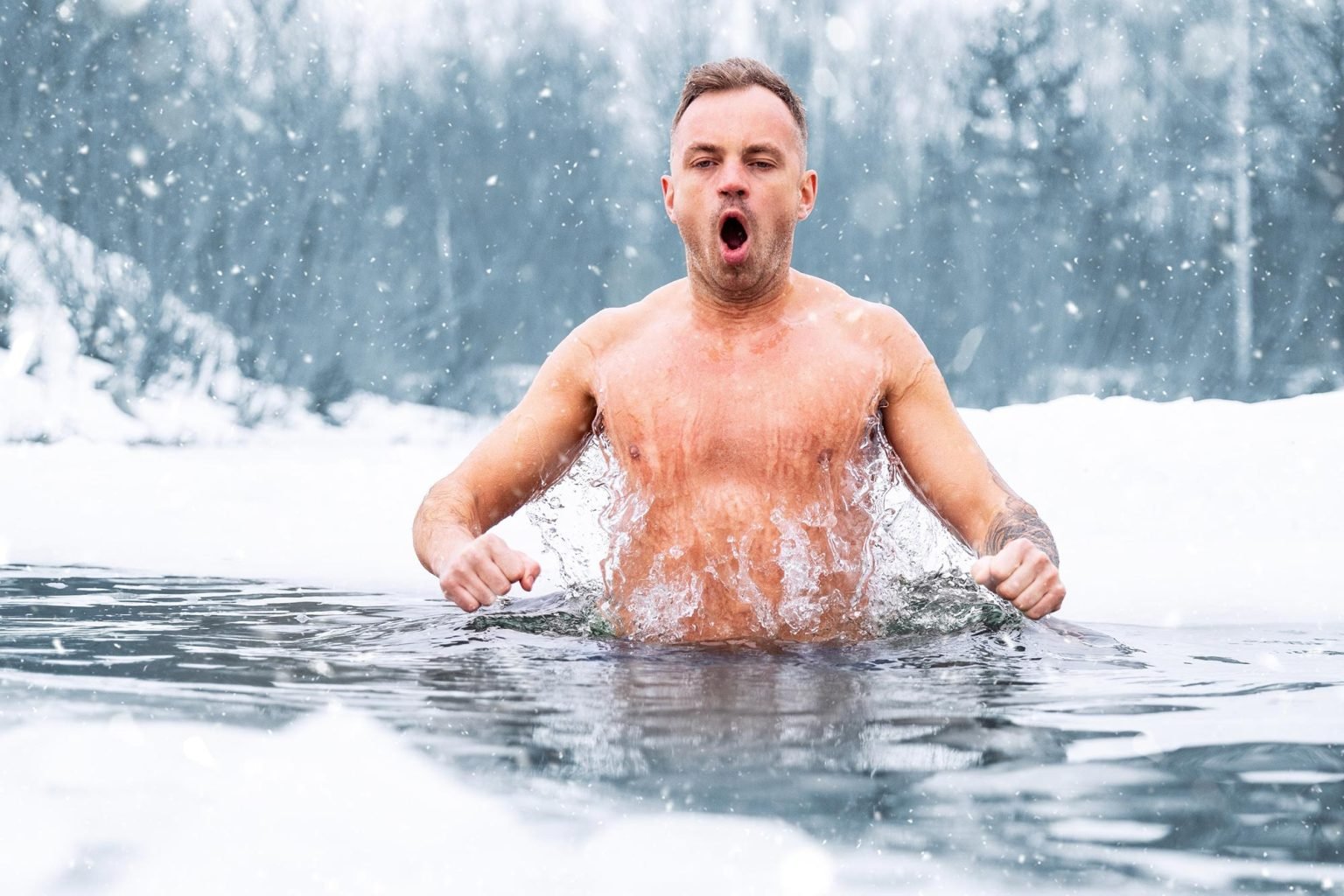
Walk into the water to chest depth. The first thirty seconds will be a negotiation between the body and the mind. The cold shock response is real, and it includes a gasp reflex, an elevated heart rate, and a strong impulse to exit. Stay. Breathe through the nose. The second thirty seconds are different: the heart rate begins to normalize, the breathing steadies, and a particular clarity emerges that is difficult to access any other way. This is not a placebo. It is a measurable physiological shift involving the vagus nerve, norepinephrine release, and brown fat activation.
Exit after two minutes if it is your first time. Three minutes if you are practiced. Five minutes is the upper limit at this temperature without a wetsuit. Dry immediately, dress in warm layers, and drink the hot tea. The body will continue to produce heat for thirty minutes after the immersion, which is the brown fat doing its work. The mental clarity will last for hours, and the practice, repeated weekly, will change the baseline of your nervous system in ways that are not subtle. This is free, accessible, and available every morning of the year.
Begin with a modest plan rather than a crowded schedule. Leave a little space around the central experience, because the unplanned details are often what make a place feel personal. Bring water, a light layer, and the patience to let the setting reveal itself slowly.
The practical rhythm matters. Arrive before the busiest hour, confirm opening times directly with the venue, and treat the itinerary as a framework instead of a promise. Los Angeles changes quickly with traffic, weather, seasonal closures, and neighborhood events, so a calm plan always includes room for a graceful pivot.
There is also an ethical pleasure in moving lightly. Choose small local businesses when possible, keep noise low in residential areas, respect natural boundaries, and leave outdoor places better than you found them. A restorative experience should not transfer its stress to the people or landscapes that make it possible.
For a more memorable visit, notice one sensory detail in each chapter: the first temperature change, the sound behind the dominant sound, the quality of the light, and the final taste of the day. These anchors turn a simple outing into a story you can return to later, especially when the next busy week begins.
The deeper lesson is not that every evening needs a destination. It is that attention is a destination in itself. A slow meal, a quiet trail, or ten minutes beside water can interrupt the automatic pace of modern life. The value comes from choosing to be there fully, without asking the moment to become content before it has become experience.
Before heading home, give yourself a gentle closing ritual. Write down one thing you noticed, take the long way for a few minutes, or simply sit until the first impulse to check a screen passes. Small endings help the nervous system understand that the day has changed shape, and they make rest feel like something you actively entered rather than something that happened after exhaustion.
This is the kind of local intelligence Florvex gathers: not a checklist of attractions, but a collection of ways to inhabit the region with more softness. The city is still busy, expensive, and imperfect. Yet within its scale are quiet rooms, generous landscapes, and thoughtful people who make a more humane weekend possible.
Use this guide as a starting point and verify details before you go. Conditions, access, reservations, and trail rules can change. The most beautiful version of the plan is the one that leaves you feeling cared for, curious, and connected to the place rather than hurried through it.